

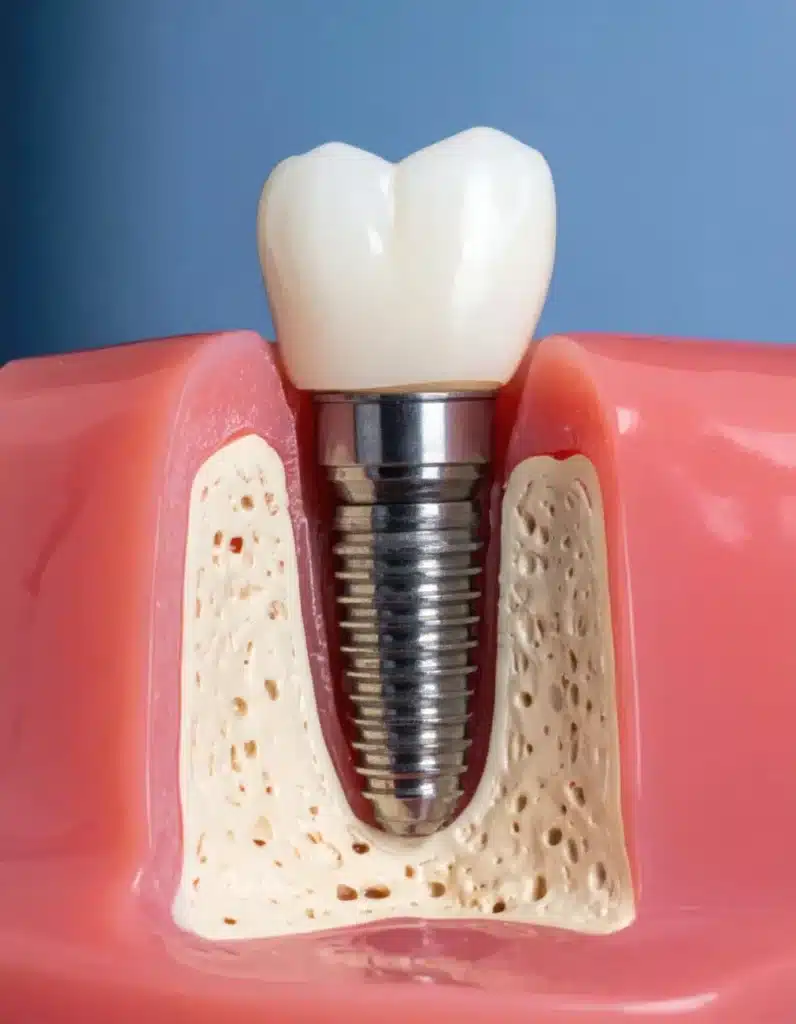
When people hear the term bone grafting, it often sounds intimidating. It can feel like something complex, painful, or risky. Many patients imagine surgery that is difficult to recover from or something that should only be done as a last resort. But the reality is much simpler and far more manageable than most people expect.
Bone grafting is a common dental procedure used to rebuild or strengthen bone in your jaw. It is often recommended before placing dental implants. Still, it can also help restore lost bone due to gum disease, tooth loss, or injury. The goal is not just to fix a problem, but to create a stable foundation for your long-term oral health.
At practices like Advanced Dental Care of Twin Falls, procedures like this are done with careful planning and patient comfort in mind. Under the guidance of Dr. Brian Rencher, patients are walked through every step. Hence, they feel informed and confident, not overwhelmed.
Let’s break it down simply so you understand what bone grafting really means and what you can expect.
At Advanced Dental Care of Twin Falls, patients receive a highly customized and efficient treatment experience. Led by Dr. Brian Rencher alongside Dr. Gaige Kepner and Dr. Rachel Dillard, the practice is recognized as:
- Platinum Invisalign Provider 2026
- Idaho’s BEST OF 2026 STATEWIDE WINNER
- TIMES-NEWS The Best of Magic Valley Readers’ Choice 2025 WINNER
- 5-Star Rated Dentist on Google
This level of recognition reflects consistent results, advanced expertise, and a strong focus on patient care.
What Is Bone Grafting in Simple Terms
Bone grafting is a way to rebuild bone where it has been lost or weakened. Think of it as adding support back into an area that no longer has enough structure.
In dentistry, this usually involves placing a special material into the jawbone where bone is missing. This material serves as a base for your body to grow new bone over time.
Eventually, your natural bone replaces or integrates with the graft material.
This is important because your jawbone supports your teeth. When a tooth is lost or removed, the bone in that area can shrink over time. Without enough bone, placing a dental implant can be difficult or even impossible without first rebuilding that structure, which is why following guidance like Dr. Brian Rencher’s implant guidance becomes essential.
Why Bone Loss Happens in the First Place
Bone loss in the jaw is more common than most people realize. It does not always happen overnight, and many people are not aware of it until a dentist points it out.
Here are some common reasons why bone loss occurs:
- Tooth Loss
When a tooth is removed or lost, the jawbone no longer receives stimulation from chewing in that area. Over time, the bone begins to shrink.
- Gum Disease
Advanced gum disease can damage both the soft tissue and the bone that support your teeth. This can lead to bone loss if left untreated.
- Injury or Trauma
An accident or injury to the jaw can result in bone damage or loss.
- Long-Term Denture Use
Traditional dentures do not provide the same stimulation as natural teeth or implants. This can lead to gradual bone shrinkage.
Bone grafting helps address all of these issues by restoring the missing structure.
When Do You Actually Need a Bone Graft
Not everyone needs bone grafting. It is recommended only when there is insufficient bone to support a dental implant or to maintain proper oral health.
Some common situations include:
- Preparing for dental implants
- Rebuilding bone after tooth extraction
- Supporting areas affected by gum disease
- Improving jaw structure for better function and appearance
During your consultation, your dentist will take scans or X-rays to measure your bone levels. Based on that, they will determine if grafting is needed.
What Happens During the Procedure
One of the biggest misconceptions is that bone grafting is a long and painful procedure. In reality, it is often straightforward and done with patient comfort in mind.
Here is what usually happens:
- Step 1: Numbing the Area
Local anesthesia is used to make sure you do not feel pain during the procedure. In some cases, sedation options may also be offered.
- Step 2: Preparing the Site
The dentist gently opens the area where the graft will be placed.
- Step 3: Placing the Graft Material
The bone graft material is placed into the targeted area.
- Step 4: Protecting the Area
A membrane or covering may be used to protect the graft while it heals.
- Step 5: Closing the Site
The area is closed with stitches to allow proper healing.
The entire process is usually completed in a single visit, depending on the complexity.
How Long Does It Take to Heal
Healing time depends on the size of the graft and your body’s natural healing process.
In general:
- Initial healing takes about 1 to 2 weeks
- Full bone integration can take a few months
This waiting period is important because the new bone needs time to become strong enough to support a dental implant or other treatment. Your dentist will monitor your progress and let you know when the area is ready for the next step, which is a key part of dental bone grafting, explained simply and practically.
What You Should Expect After the Procedure
Recovery is usually smooth if you follow your dentist’s instructions.
Here are some common things to expect:
- Mild swelling or tenderness
- Minor bleeding for a short period
- Temporary changes in eating habits
You may be advised to stick to soft foods for a few days and avoid putting pressure on the treated area.
Good oral hygiene is also important, but you will need to be gentle around the site.
Benefits of Bone Grafting
Bone grafting is not just about preparing for implants. It offers several long-term benefits:
- Restores Jaw Strength
It helps rebuild the structure of your jaw, making it stronger and more stable.
- Supports Dental Implants
A solid bone foundation is essential for successful implant placement.
- Prevents Further Bone Loss
It stops the progression of bone shrinkage in affected areas.
- Improves Facial Structure
Bone loss can affect the shape of your face. Grafting helps maintain a more natural appearance.
Why Professional Guidance Matters
Bone grafting is not something to guess or self-diagnose. Proper evaluation is key to getting the right treatment.
Working with an experienced provider like Dr. Brian Rencher ensures that:
- Your condition is accurately assessed
- The right graft material is chosen
- The procedure is done safely
- Your recovery is monitored properly
This makes a big difference in both comfort and results.
Simplifying Dental Costs with Our Membership Plan
Many patients feel unsure about dental insurance. To make things easier, we offer a simple alternative.
At Advanced Dental Care of Twin Falls, our Membership Plan removes the complexity of traditional insurance.
Membership Options
Child Complete – $22 per month or $264 per year
Adult Complete – $33 per month or $396 per year
Perio Maintenance – $63 per month or $756 per year
Benefits include cleanings, exams, routine X-rays, and discounts on treatment. There are no deductibles, no yearly maximums, and no claim denials.
What Patients Are Saying
We are proud to maintain a 5-star reputation in the Magic Valley community.
Read patient experiences on our Reviews page or share your own feedback through Share Your Reviews.
Why Advanced Dental Care of Twin Falls Stands Out
Our approach includes:
- Fellowship recognition in the American Academy of Clear Aligners
- Accelerated four-day aligner changes
- Virtual monitoring through the Invisalign app
- Simple and practical hygiene guidance
- Clear retainer preference for long-term care
- Transparent membership savings
Every detail is designed to ensure a smooth, comfortable experience.
Planning Your Visit
If you are ready to move forward with bone grafting and restore a stronger foundation for your smile, scheduling is simple.
- Start with your gum health consultation with Dr. Brian Rencher
- Contact us through our Contact Us page
- Prepare by reviewing Your First Visit
- Get directions using Google Maps
- Plan your route with Get Directions
FAQ’s
1. Is bone grafting necessary before dental implants
Not always, but if there is not enough bone to support an implant, grafting is needed to create a stable base.
2. How long does a bone graft last
Once healed, the new bone becomes part of your natural jaw and can last a lifetime with proper care.
3. Can I go back to work after the procedure
Most patients can return to normal activities within a day or two, depending on how they feel.
4. What can I eat after bone grafting
Soft foods are recommended for the first few days to avoid pressure on the treated area.
5. Are there risks involved
As with any procedure, there are minor risks, but complications are rare when performed by an experienced dentist.
Conclusion
Bone grafting may sound serious at first, but in reality, it is a straightforward and effective way to rebuild your jaw and protect your oral health. It plays an important role in making treatments like dental implants possible and successful, which is why following insights such as Dr. Brian Rencher’s bone grafting insights can help patients better understand the process and its benefits.
The process is carefully planned, the procedure is manageable, and the results can make a lasting difference in your smile and overall confidence. Understanding what it really involves helps remove the fear and replaces it with clarity.
——————————————————————————————————————————————————————————————————————–
Remember: Bone grafting is about rebuilding strength where it is needed, not something to fear. With the right care and guidance, it becomes a simple step toward long-term oral health.
Disclaimer: This content is for informational purposes only and does not replace professional dental advice. Always consult a qualified dentist for diagnosis and treatment recommendations.